
Ubility ™ Ask about candidacy

UBILIFLEX™ · AVAILABLE NOW

Life can change
in an instant.

Helping you regain some independence is at the heart of what we do. UbiliFlex™ brings custom-fabricated interfaces, powered elbow support, and muscle-sensing technology together around you.

Could UbiliFlex™ be right for me? Explore the brace ↓
PERSONAL BY DESIGN.HUMAN BY PURPOSE.
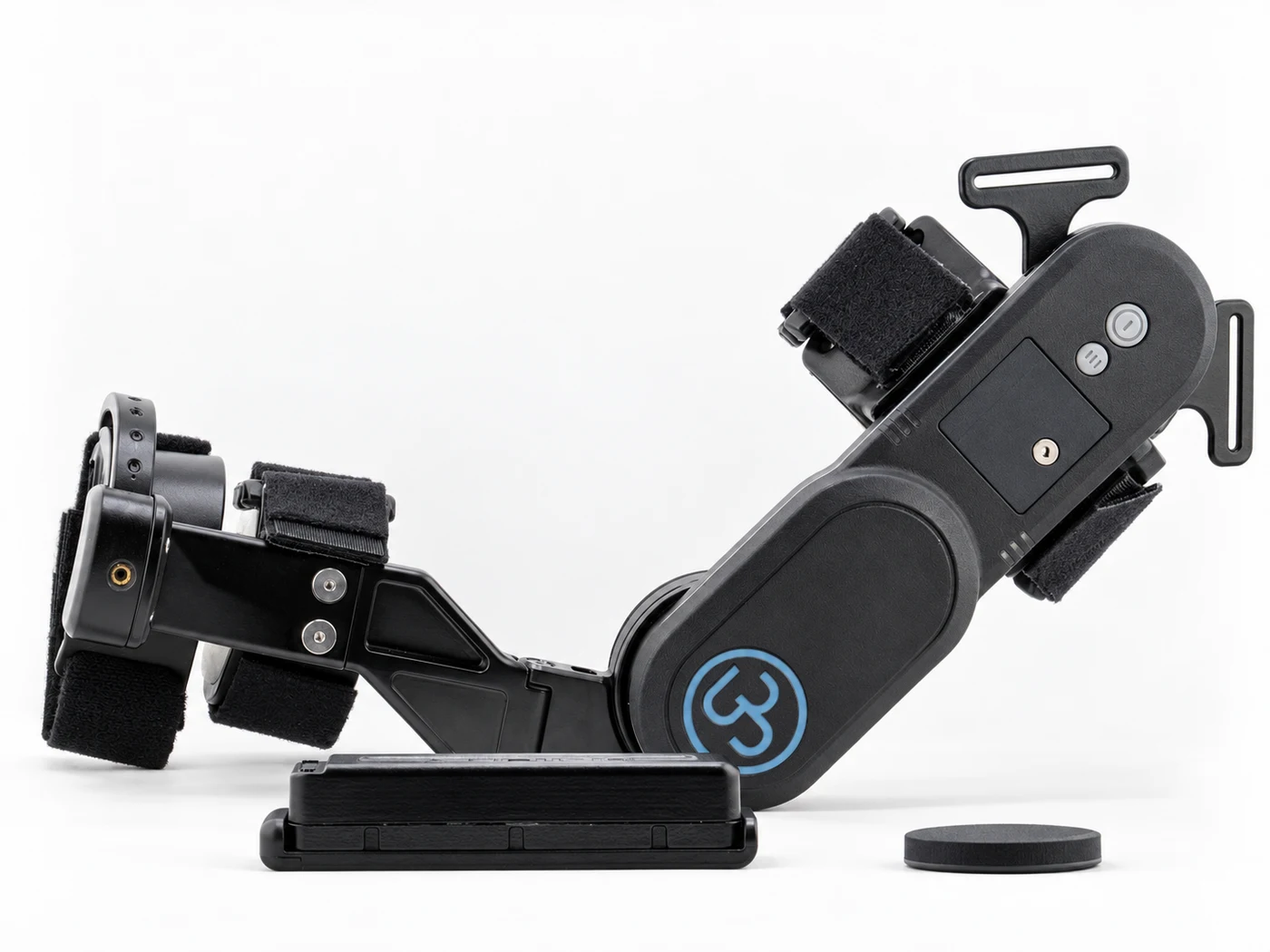
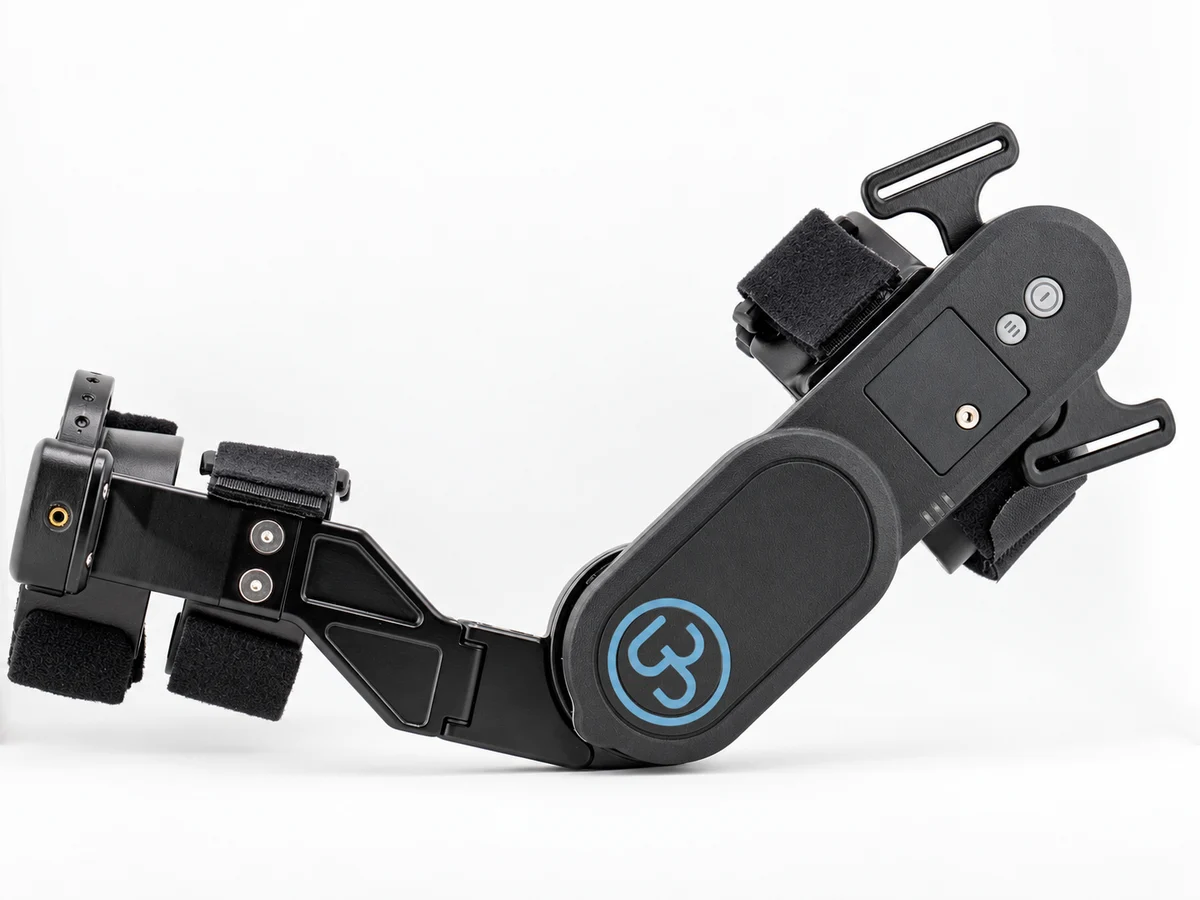
UbiliFlex powered arm brace with battery and surface-EMG sensor; retouched marketing photograph
UbiliFlex™ · One integrated brace system.Retouched marketing photo: wires removed for visual clarity; logo colored blue. Not a wireless configuration.
Technology with a personal purpose.

Not just movement.
The meaning behind it.

↓

01 / MEET THE PRODUCT

POWERED UPPER-EXTREMITY ASSISTANCE

UbiliFlex™

Built around
the individual.

An individual arm.
An individual fit.
A more personal approach.

Available now, UbiliFlex™ is a custom-fabricated powered upper-limb brace designed to assist bending and straightening at the elbow.

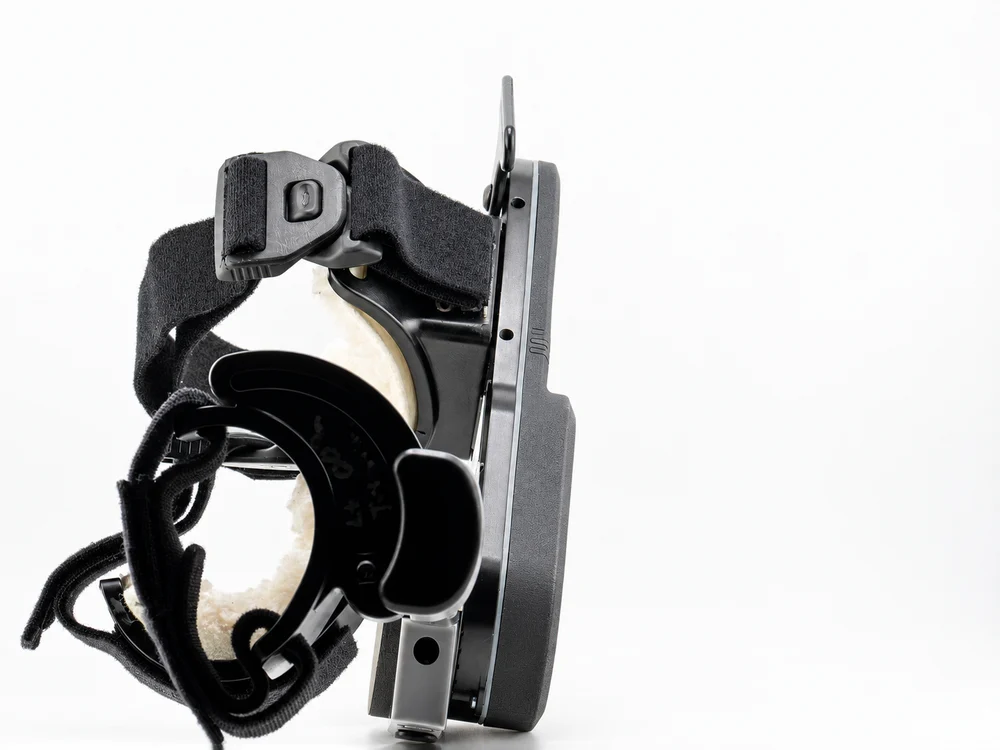
Patient-specific cuffs and connecting geometry bring your anatomy together with the powered brace, battery, and surface-EMG sensor. Individual clinical assessment determines whether UbiliFlex™ is appropriate for you.

See what goes into your custom brace

THE THINKING BEHIND UBILIFLEX™

Anatomy leads.
Engineering follows.

UbiliFlex™ brings orthopedic insight and engineering together. Dr. Ajay Seth’s concept placed the elbow’s carrying angle at the center of the design, with the goal of assistance that works with the individual arm.

Discover Anatomy Meets Engineering

CUSTOM FABRICATION / THE DETAILS MATTER

Not just adjusted to you.
Fabricated for you.

Customization goes beyond choosing a size or tightening a strap. The UbiliFlex™ workflow connects your anatomy, custom-fabricated components, and individual fitting in one patient-specific build.

Your anatomy.
Your interfaces.
Your fit.

A scan is a starting point, not the finished brace. Patient measurements and clinical review guide the design, fabrication, and alignment of the components that connect the powered system to your arm.

From fabrication to fitting
  1. 01

    Anatomical capture & measurements

    Scanning and measurements document the patient’s arm shape and dimensions. These inputs guide the individual design rather than selection of a generic cuff size.

  2. 02

    Patient-molded interfaces

    Thermoplastic patient-contact interfaces are molded for the individual. The hand and wrist connection is also shaped to the patient as part of the custom fabrication process.

  3. 03

    Scan-derived cuff shells

    Outer cuff shells are digitally designed and 3D printed from patient-specific anatomical and interface data. Their geometry accounts for the molded interface, liner, padding, and assembly needs.

  4. 04

    Custom connecting geometry

    The lower arm bar and connecting geometry are fabricated around the patient’s dimensions and alignment needs, including length, contour, spacing, and attachment locations.

  5. 05

    Individually made liners

    Removable cuff liners are measured, cut, shaped, and sewn to match the patient-specific cuffs. The liner is part of the individual build, not simply a standard sleeve.

  6. 06

    Individual fitting & setup

    The assembled brace is fitted and aligned to the patient. Device setup, calibration, and programming are individualized within the applicable device instructions, followed by guided training.

Custom where it meets the patient.

UbiliFlex™ combines standard powered components with custom-fabricated patient interfaces and connecting parts. It is the linked process of design, fabrication, assembly, and fitting, not 3D printing alone, that makes the build patient-specific.

02 / A SHARED JOURNEY

Different perspectives.
One person at the center.

Understanding the technology starts with understanding the person, their goals, and their care team.

FOR PATIENTS & CAREGIVERS

Your everyday.
Your questions.

Wheelchair users with complete paralysis of the affected arm may be evaluated when they retain a potentially usable voluntary muscle signal elsewhere. Individual evaluation determines whether the control signal, fit, and supported movement are appropriate.

Who is UbiliFlex™ for?
FOR CLINICIANS & CARE PARTNERS

Clinical perspective.
Personalized design.

Learn about the patient-specific workflow, from anatomical capture and fabrication to fitting, setup, and training.

Explore the patient-specific workflow

03 / THE UBILITY APPROACH

The person
comes first.
Always.

Patient-specific is more than a size. It’s an approach that connects the clinical evaluation, the physical fit, and the way the device is set up.

  1. 01

    Understand the individual

    Begin with clinical review, the patient’s needs, and goals for everyday activities.

  2. 02

    Capture. Design. Fabricate.

    Use patient measurements and anatomical capture to guide custom interfaces and patient-specific geometry.

  3. 03

    Fit around the patient

    Bring the components together through individual fitting, alignment, and device setup.

  4. 04

    Introduce use with guidance

    Support fitting and training with the care team, according to the applicable device instructions.

FROM MUSCLE ACTIVITY TO MOVEMENT

A signal.
A purposeful movement.

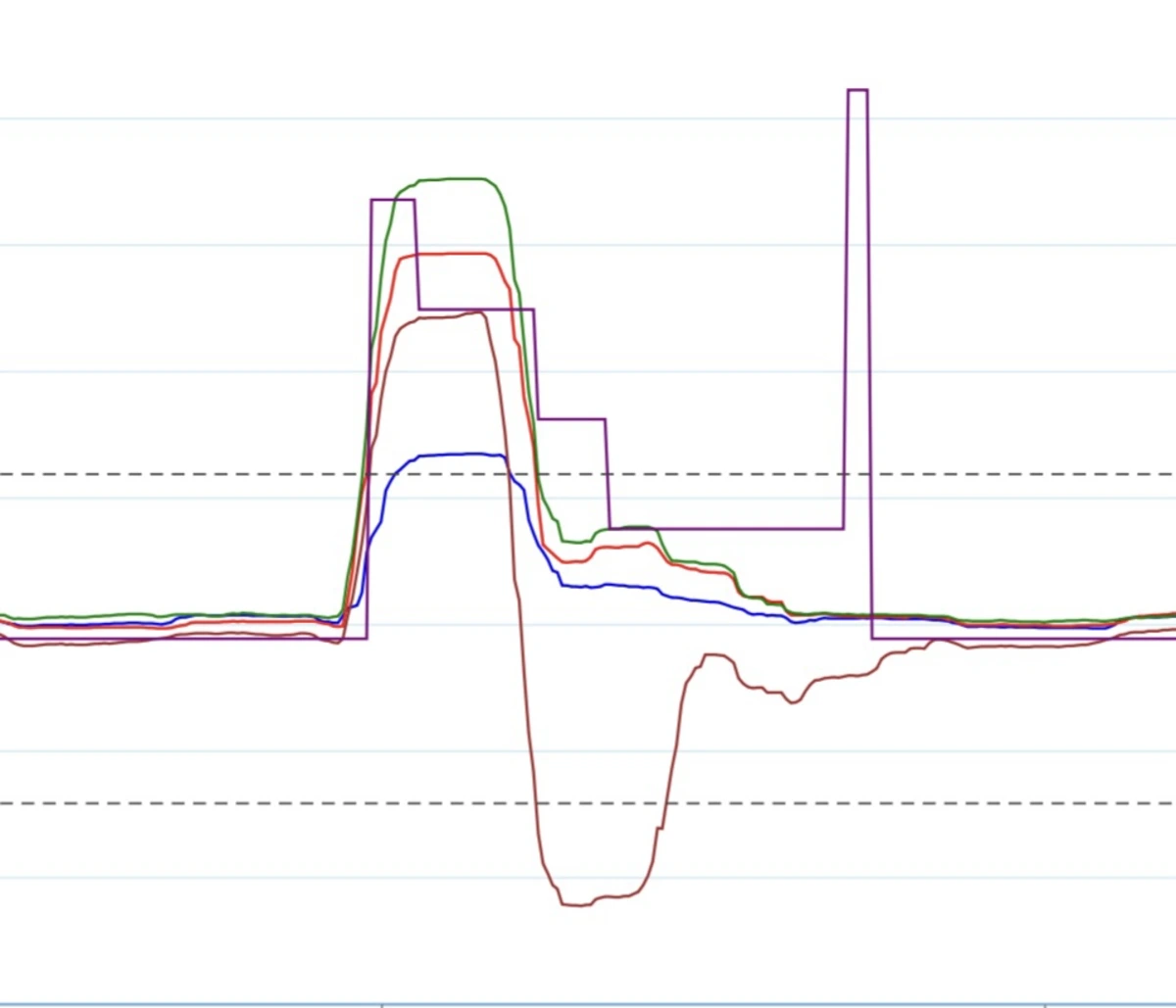
A surface-EMG sensor detects voluntary muscle activity and provides an activation request. The controller then commands the powered brace.

The muscle providing the signal does not have to be in the affected arm. A usable signal and individual clinical assessment are required.

Learn about muscle-signal control
Supplied muscle-activity trace showing a rise during contraction and a return toward baseline during relaxation
Muscle activity, made visible. Supplied contraction trace; no numeric timing, channel identity, or clinical outcome is inferred.
  1. Muscle contraction
  2. sEMG detection
  3. Activation request
  4. Controller-commanded movement

04 / WHY UBILITY

Engineering is what we do.
People are why we do it.

We believe assistive technology should begin with real life. With the routines people value. With the questions families ask. And with the clinicians who understand that no two patients are the same.

That belief shapes our work on UbiliFlex™: a patient-specific approach to powered arm assistance, developed with the individual at the center.

A PLACE TO BEGIN

A better conversation
starts with your goals.

If you’re exploring assistive technology, consider discussing these questions with your clinician:

  • Which everyday activities matter most to me?
  • What should an individual evaluation consider?
  • What fitting, training, and caregiver support might be needed?

This website provides general information, not individual medical advice. Suitability requires clinical evaluation. Outcomes, eligibility, and insurance coverage are not guaranteed.

UBILIFLEX™ RESOURCES

Take a closer look.

Explore the product brochure or choose an introduction for patients, caregivers, and clinical teams. Each PDF opens in a new tab and can be saved from your browser.

These materials provide general product information, not instructions for use or an individual eligibility decision. For candidate inquiries, contact info@ubility.inc.

UBILIFLEX™ IS AVAILABLE NOW

Could UbiliFlex™
be right for you?

Contact Ubility™ to learn about the brace and the next steps for an individual candidate evaluation. Patients, caregivers, clinicians, and orthotists are welcome to get in touch.

info@ubility.inc
START WITH A GENERAL INQUIRY

The email link opens your email app. Please do not include medical records, identification numbers, or sensitive health details in your first message. Ask the team how to share any required information securely.

Suitability requires individual clinical assessment. An inquiry is not an eligibility decision or a guarantee of benefit.